
Healthcare Marketing Trends 2025

Healthcare Marketing Trends 2025
The healthcare landscape is moving faster than a busy ER on a Monday morning. Reimbursement rules, consumer expectations, and technologies shift in real time, forcing marketers to rethink how they reach and retain patients. Below, we unpack the most important healthcare marketing trends for executives, strategists, and business leaders determined to stay ahead.
Key Digital Marketing Trends in Healthcare for 2025
From AI to omnichannel outreach, the following shifts are reshaping patient engagement. We’ll dive into each in detail, but keep an eye on how they connect: the most successful strategies weave these elements together, not treat them as isolated tactics.
AI-Driven Personalization & Predictive Analytics
Artificial intelligence long ago left the hype stage in healthcare marketing trends; now it’s table stakes. Advanced models analyze CRM, EHR, and social data to predict which patients are at risk of churn or could benefit from additional services. That matters because 50% of healthcare consumers say personalized communication improves their overall care experience.
AI’s role in 2025 goes beyond “Dear {FirstName}.” Predictive algorithms trigger timely outreach, think flu-shot reminders before case spikes, and dynamic creatives that adapt landing page content based on a visitor’s chronic condition profile. Savvy marketers layer this with consent-driven data, ensuring compliance while boosting relevance.
Expansion of Telehealth & M-Health
Virtual care utilization spiked during the pandemic and plateaued at a new normal: telehealth accounts for approximately 5.7% to 7.0% of U.S. outpatient visits, a significant increase from pre-2020 levels. For marketers, telehealth is no longer just a service line; it’s a content, SEO, and conversion engine.
Mobile-first appointment flows, geo-targeted advertising on same-day video visits, and post-visit SMS follow-ups are all connected to larger trends in healthcare digital marketing. And do not forget wearable integrations: even push notifications reminding patients to upload their blood-pressure cuff data can be used to feed AI models to further target them.
Omnichannel & Mobile-First Communication
Patients switch between various devices and platforms, including those utilized by clinicians. They could view a YouTube video at breakfast, press a button on an Instagram advertisement at lunch, and register on a well-designed website after work. Omnichannel strategies provide consistency in the brand and minimize friction at all points of contact.
Key moves for 2025:
- Integrated patient identity graph combining web, application, call center, and in-clinic engagements.
- Forms cut down to three or fewer fields optimized to work with mobile fail to achieve high abandonment rates beyond three-second load times.
- Scheduling based on chats with EHR calendars to remove phone tag.
Video, Podcast & Immersive Storytelling (AR/VR)
As a rule, the short video will continue to dominate, with podcast mini-series and AR anatomy demos coming into play in 2025. Patients demand authenticity; interviews with surgeons in the background or 60 seconds myth busters on TikTok will be more trustworthy than stock photography. Complex procedures can be demonstrated using immersive AR, which will decrease anxiety and boost booked consults.
Content formats gaining traction:
- 15-30 second vertical clips for socials
- Podcast episodes under 20 minutes
- Interactive 3D procedure walkthroughs
- Patient-generated testimonial reels
Data Privacy & Trust
One of the most regulated forms of advertising is still in healthcare. The HIPAA, GDPR, and the new U.S. Health Data Act 2025 has strict requirements regarding obtaining any permission and informing people when their data is stolen. Open data does not only ensure that you do not get into trouble but also makes your brand more valuable. Provide patients with easy-to-understand privacy dashboards and allow patients to decide how they would like to communicate as well as ensure compliance reviews during each campaign sprint. Note, privacy is not a barrier; it is a differentiator with an indication of respect.
Purpose-Driven & Inclusive Marketing
Patients want to see themselves in your content regardless of age, ethnicity, or ability. Purpose-driven messaging spotlighting community wellness initiatives signals values alignment and attracts talent as well as patients. Inclusive visuals and language also widen reach in multicultural markets. Use real-world storytelling over staged diversity photos; authenticity resonates.
Performance Max (PMax) Campaigns in Healthcare Advertising
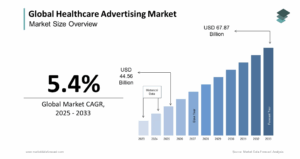
PMax campaigns by Google went viral in 2024 and healthcare adoption was not far behind. By 2025, industry analysts project digital ad spend in healthcare to reach $44.56 billion, growing 5.4% year-over-year.
PMax utilizes Google AI in order to distribute the budget automatically on Search, Display, YouTube, Maps and Gmail.
Benefits:
- Algorithmic bidding optimizes for conversions like appointment bookings
- Broader inventory uncovers high-intent micro-audiences
- Consolidated reporting simplifies ROI analysis
Caveat: feed the machine. To prevent unnecessary expenditure, PMax requires powerful conversion tracking, negative keyword lists, and new creative assets.
Building Digital Communities
In addition to a one-off campaign, progressive brands have been building always-on digital communities – Facebook groups that allow future mothers to share their needs, Discord servers where people with chronic illnesses can share their experiences, and gamified challenges on a branded app. These platforms contribute to peer support, user-generated content and zero-party data, which is only available when using paid channels.
Why These Trends Matter
These trends in healthcare digital marketing cannot be disregarded anymore:
- Competitive Positioning. Competing metro-sharing health systems should enhance their targeting with AI acuity and omnichannel consistency to shine.
- Patient Expectations. In 2024, a survey discovered that two-thirds of the customers will change providers in case their communications fail to satisfy them. The bar keeps rising.
- Revenue Diversification. Telehealth expands catchment areas, AR/VR opens cash-pay education services, and PMax aligned with SEO can drive high-margin elective bookings.
- Regulatory Pressure. Compliance breaches tank budgets and reputations; baking privacy into strategy protects both.
How to Leverage These Trends
Execution starts with a single foundation: clean, permissioned data. Without it, AI models misfire, omnichannel orchestration fragments, and compliance gaps appear. From that base, marketers should build cross-functional squads that pair clinical insight with creative talent, allowing campaigns to move at digital speed while honoring medical accuracy.
Next comes prioritization. Not all organizations are able to implement AR procedure demos and PMax campaigns at the same time and, hence, use those initiatives that can support growth goals and operational preparedness. In the case of a multi-site health system, that could translate to the introduction of remarketing that is driven by predictive analytics in order to minimize the leakage of the patients. In the case of a specialty clinic, it may be a target telehealth SEO plan and short-form video testimonials.
Lastly, come up with an analytics loop that will connect outcomes, appointments booked, no-show rates decreased, and cost per acquisition to certain tactics. Automate the stuff (i.e., AI-generated segments of the audience, chat-based scheduling) that works and discontinue the stuff that does not. Comprehensive measurement will turn trendy items into reliable growth drivers, making sure that your marketing plan changes as the industry does.
Challenges & Considerations
Even the most promising healthcare digital marketing trends come with roadblocks:
- Data Quality. AI outputs are only as good as the inputs. Invest in governance.
- Budget Allocation. PMax efficiency can hide overspending; monitor cost-per-acquisition weekly.
- Content Velocity. AR, podcast, and video talent are particular. Collaborate with agencies or train internal staff.
- Compliance. Emerging state-level privacy laws can conflict with federal guidelines. Maintain a cross-functional legal check before every campaign push.
- Measurement. Attribution is blurred in Omnichannel journeys. Embrace multi-touch models to prevent the under-investment in upper-funnel channels that help in conversions.
Always be alert, keep on testing, and do not forget that innovation in the absence of alignment to the needs of the patient is nothing but noise. By focusing on empathy, transparency, reputation and value, you can turn these 2025 healthcare marketing trends into tangible growth.


Recent Posts


Post Topics
- Artificial Intelligence (ChatBot)
- blog
- Digital Marketing
- Effective Marketing for Home Care Agencies
- Featured Digital News
- Healthcare Marketing
- Home Care
- Home Care Agencies
- Home Healthcare Marketing
- Medical Spa
- Quality Caregivers
- Reaching Your Ideal Clients
- Search Engine Optimization
- Senior Care Marketing
- Social Media Marketing
- Uncategorized
- Video Marketing
- Website Design